Palm Desert vs Palm Springs: Which Coachella Valley City Is Right for You?
A 30-year Coachella Valley broker compares Palm Desert and Palm Springs to help you decide which city fits your lifestyle, budget, and long-term plans.

If you're considering a home in the Coachella Valley, you've probably noticed two names come up over and over: Palm Desert and Palm Springs. Outsiders sometimes assume they're interchangeable. They're both desert cities, both surrounded by mountains, both warm in winter. But after 30 years of helping buyers in this valley, I can tell you they're meaningfully different places, and the right one for you depends on what you actually want from your time here.
This guide walks through the practical differences (lifestyle, demographics, housing, and the day-to-day experience of living in each) so you can make an informed decision instead of guessing from a tourism brochure.
The short version
Choose Palm Springs if you want walkability, a vibrant downtown scene, mid-century architecture, year-round social energy, and you don't mind tighter lots and older homes.
Choose Palm Desert if you want more space for the money, a quieter residential feel, easier highway access, larger newer homes, and proximity to top-tier shopping (El Paseo) and golf.
Neither is objectively better. They just serve different buyers. Let's break down why.
Location and geography
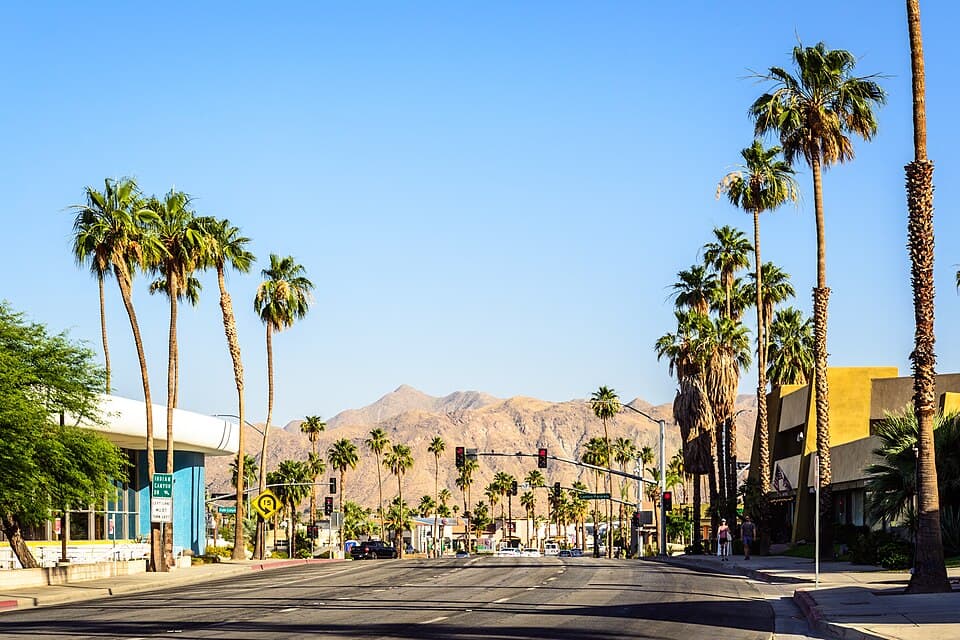
Palm Springs sits at the northwest end of the Coachella Valley, tucked right up against the dramatic San Jacinto Mountains. That mountain wall blocks the late-afternoon sun in some neighborhoods, which means earlier shade in the summer months, a real comfort difference when temperatures hit 110°F.
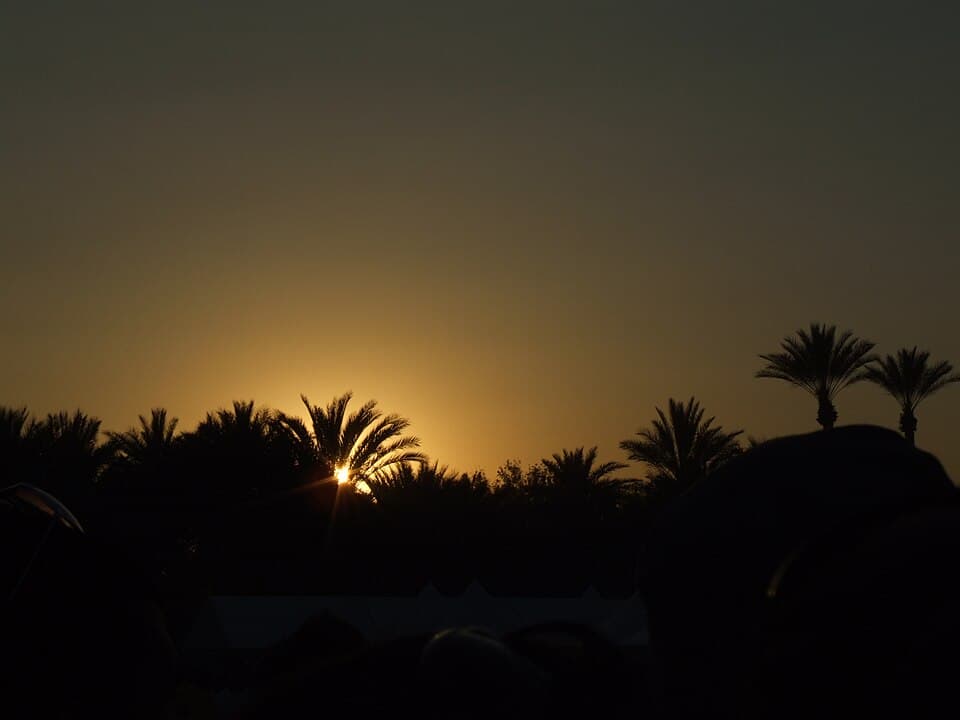
Palm Desert is about 15 miles southeast, in the central valley. The mountains here are farther away (the Santa Rosas to the south), so the landscape feels more open. Sunsets are bigger, and the late-afternoon sun lingers longer.
Driving between them takes about 20 to 25 minutes along Highway 111. Most desert residents move easily between both cities for restaurants, shopping, and events.
Demographics and vibe
Palm Springs has long had a reputation as a destination: Hollywood weekenders in the 1950s, an LGBTQ+ community that's grown strongly since the 1990s, and a current population that mixes full-time residents, snowbirds, second-home owners, and short-term rental visitors. The downtown energy reflects that. Walk around at night and you'll see crowded patios, music spilling from bars, and a steady tourist presence.
Palm Desert reads more residential. The population skews slightly older on average, with a strong base of full-time retirees and seasonal residents (snowbirds) who own their homes rather than rent vacation properties. There's still nightlife and dining, but it's quieter, more dispersed, and less tourist-driven. Many neighborhoods are gated communities or country club developments where you might go days without seeing a stranger on your street.
If you want energy and walkability, Palm Springs delivers. If you want calm and privacy, Palm Desert does.
Housing inventory and price
The housing stock differs significantly between the two cities.
Palm Springs is known for mid-century modern architecture, with homes built between roughly 1946 and 1970 by architects like Donald Wexler, William Krisel, and E. Stewart Williams. These homes are smaller by modern standards (often 1,200 to 2,000 square feet), sit on smaller lots, and frequently command premium prices for their architectural significance. Newer construction exists but it's the exception, not the rule. There are also distinct neighborhoods like the Movie Colony and Old Las Palmas where historical significance drives higher pricing.
Palm Desert has a much broader mix. You'll find ranch homes from the 1970s and '80s, large custom homes built in the 1990s and 2000s, and many planned communities: Sun City Palm Desert (55+), Indian Ridge, Ironwood Country Club, The Lakes Country Club, and Bighorn. Homes tend to be larger (often 2,000 to 4,000+ square feet), sit on larger lots, and offer more square footage per dollar than Palm Springs equivalents.
Generally speaking, you'll get more house and more land for the same money in Palm Desert. Palm Springs commands a premium for its location, architecture, and lifestyle. The exact spread varies by neighborhood and changes with market conditions, so I'd recommend looking at current listings in both before deciding what fits your budget. Browse Palm Springs homes and Palm Desert homes to compare what's available right now.
Lifestyle and amenities
Downtown experience: Palm Springs has a true walkable downtown along Palm Canyon Drive, with restaurants, bars, shops, the Palm Springs Art Museum, and weekly VillageFest street fairs. Palm Desert's equivalent is El Paseo, often called "the Rodeo Drive of the desert," about a mile of high-end shopping, galleries, and restaurants. El Paseo is upscale and beautiful but more spread out and car-oriented than Palm Springs downtown.
Dining: Both cities have excellent restaurants. Palm Springs leans toward eclectic, trendy, and casual-cool. Palm Desert leans toward established, refined, and country-club-adjacent. Neither is short on options.
Golf: Palm Desert is arguably the more golf-centric of the two. The city is home to numerous championship courses and country club communities. Palm Springs has golf as well, but it's not as central to the local identity.
Arts and culture: Palm Springs Art Museum, Palm Springs Film Festival, Modernism Week, and a strong gallery scene give Palm Springs an edge in arts and cultural events. Palm Desert has the McCallum Theatre (a major regional performing arts venue) and a respectable but smaller cultural footprint.
Outdoor recreation: Both cities offer hiking, biking, and outdoor activities. Palm Springs has the Aerial Tramway to the top of San Jacinto and Indian Canyons hiking. Palm Desert has the Living Desert Zoo and Gardens and easy access to the Santa Rosa & San Jacinto Mountains National Monument.
Practical considerations
Short-term rentals: Both cities regulate short-term rentals, and the rules have tightened over the years: permits, caps, and ongoing community debate in Palm Springs, plus neighborhood-specific restrictions in Palm Desert. If you're buying as an investment property to rent out, research the specific rules for whichever neighborhood you're considering before you commit. They vary significantly, and they change. This is one area where local guidance pays off.
HOA dynamics: Many Palm Desert neighborhoods are gated communities with monthly HOA fees ranging from modest (under $200) to substantial ($800+ for full country club memberships). Palm Springs has fewer gated communities, and HOA fees tend to be lower or nonexistent in non-condo neighborhoods. If HOA costs matter to your budget, factor this in early.
Property taxes: Both cities are in Riverside County, so base property tax rates are similar. Special assessments for specific neighborhoods (Mello-Roos in some newer developments) can vary, so always check the specific property's tax bill.
Driving and traffic: Palm Desert has easier access to Interstate 10 and feels more car-friendly overall. Palm Springs's compact downtown can feel congested during peak season (January through April). If you'll need to commute or drive frequently, factor in seasonal traffic patterns.
Who chooses what: patterns I've seen
After three decades in this valley, some patterns hold pretty consistently.
Younger buyers and second-home owners who want walkable nightlife, modern design, and a vibrant social scene often gravitate to Palm Springs.
Retirees and snowbirds who prioritize quiet, space, and traditional community amenities often prefer Palm Desert.
Golf enthusiasts more often end up in Palm Desert simply because of the concentration of courses and country clubs.
First-time desert buyers often start with Palm Springs because of the brand recognition, then move to Palm Desert on their next purchase when they've decided they want more space and quiet.
But these are tendencies, not rules. Plenty of retirees love Palm Springs, and plenty of younger families thrive in Palm Desert. The honest answer is that both cities are wonderful places to live, and the right one depends on your specific lifestyle and what you want your daily life to look like.
How to decide
If you're still weighing the two, the best thing you can do is spend time in both. Walk Palm Springs downtown on a Thursday evening during VillageFest. Drive through Palm Desert neighborhoods on a Sunday morning. Visit El Paseo. Sit on a restaurant patio in each city and notice what feels right.
For most buyers, one city ends up feeling more like home pretty quickly. The trick is paying attention to that feeling rather than overthinking the spreadsheet comparisons.
If you'd like to discuss your specific situation, whether you're relocating from out of state, looking for a second home, or considering investment property, I'm happy to talk through what fits. After 30 years in this valley, I know both cities well, including the specific neighborhoods that match different lifestyles.
Call or text me at (909) 721-0714 or reach out through my contact form. No pressure, no sales pitch, just an honest conversation about what you're looking for and whether the Coachella Valley fits.
About the author
Wendell Turner
30-year California broker · DRE License #01226922 · Coachella Valley specialist
Wendell Turner is a 30-year California real estate broker at Absolute Advantage Realty, specializing in the Coachella Valley, Pass Area, Inland Empire, and Southern California mountain regions. Known for a service-first approach, he has helped hundreds of buyers and sellers navigate Southern California real estate.